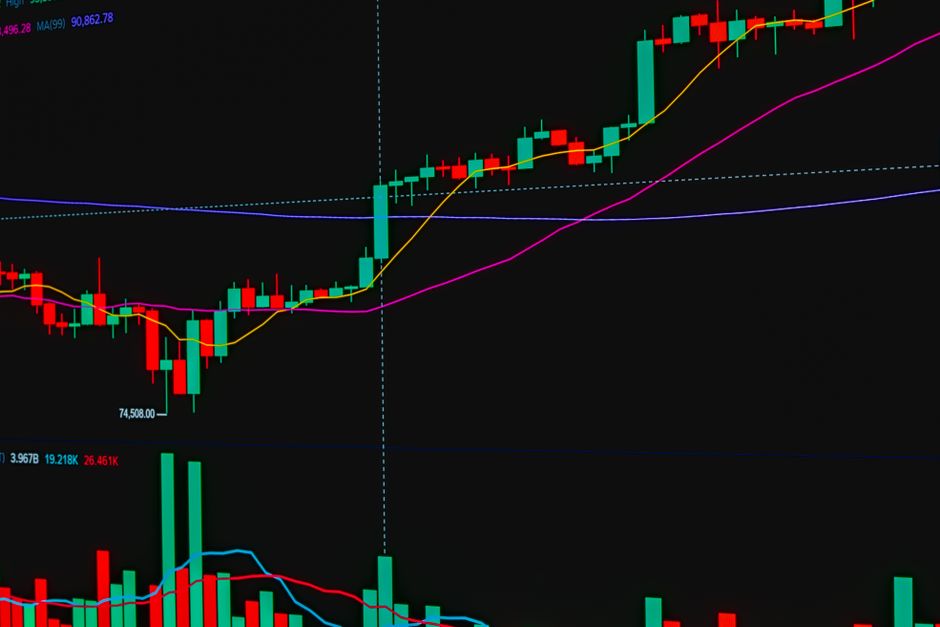
The Bank of Japan (BOJ) remains in a hiking cycle, marking its first consecutive rate increase, which has become the key catalyst driving a notable 8.01% surge in TSE:6920 shares today. This move reflects growing investor confidence in Japan’s monetary policy shift, as the BOJ’s recent decision to raise its key interest rate to 1.00% signals a new phase in the country’s economic framework. With no major economic data or events scheduled for today, the market focus is squarely on how the BOJ’s policy adjustment influences investor sentiment and corporate valuations.
Within the broader market, sector performance has shown a clear divergence. Financial stocks, including major banks such as MUFG (-1.86%), SMFG (-2.32%), and Mizuho (-2.09%), experienced declines, possibly due to profit-taking after recent gains amid shifting interest rate expectations. In contrast, automotive companies showed mixed results: Honda gained 0.70%, while Toyota and Nissan fell 0.62% and 1.54%, respectively. Technology and industrial names also faced pressure, with Hitachi down 2.43% and Sony rising slightly by 0.20%. This uneven sector movement highlights investor caution amid evolving monetary conditions and the search for stocks that can benefit from higher interest rates.
The yen’s movement today is an important factor affecting exporters and importers. While exact currency levels are not detailed here, any appreciation or depreciation of the yen typically influences the competitiveness of export-driven companies. For instance, a stronger yen can weigh on exporters by making their goods more expensive abroad, while importers may benefit from lower costs. Market participants will closely watch the yen’s reaction to the BOJ’s ongoing hiking cycle, as it will shape earnings expectations for key export-heavy sectors like automotive and electronics.
Looking ahead to the market open, investors will remain attentive to overnight Wall Street cues, which showed limited directional momentum given the Fed and Bank of England are both on hold with no rate changes in recent meetings. The European Central Bank and Reserve Bank of Australia continue hiking, adding complexity to the global rate environment. With the BOJ’s next meeting scheduled for September 18, market participants will gauge how today’s price moves and sector reactions set the tone for trading in a period of evolving monetary policies worldwide. Watch for any spillover effects from global central bank actions as well as corporate earnings updates that may emerge later in the week.