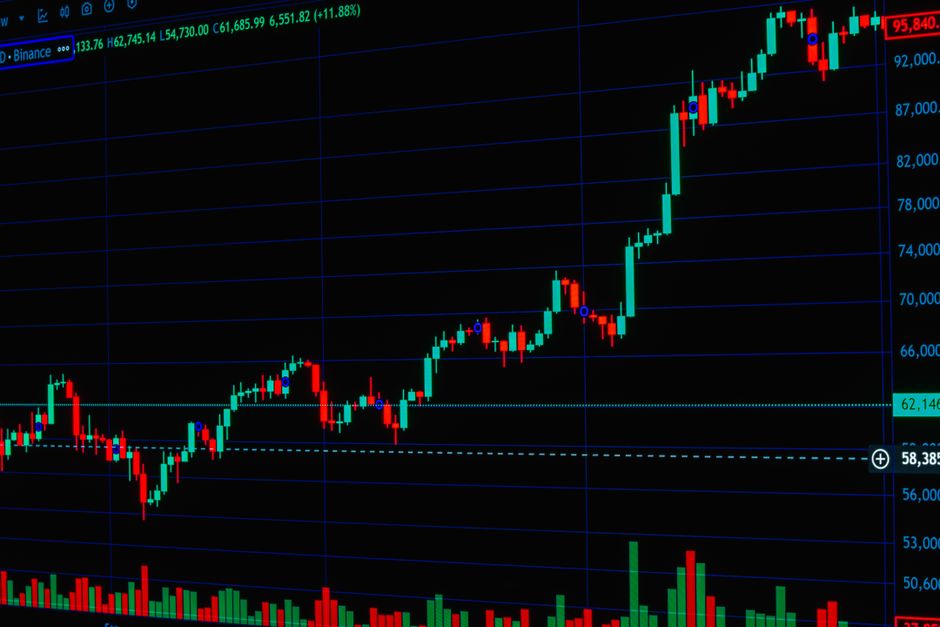
Japan’s Nikkei 225 fell sharply by 1.93%, closing at 64,011.34, driven primarily by cautious investor reactions to the Bank of Japan’s ongoing hiking cycle. The BOJ recently initiated its rate increase, marking the first step in a tightening phase, but market participants remain unsure about the pace and impact of further hikes. This uncertainty weighed on overall sentiment, despite a backdrop of stable policy stances from other major central banks such as the Federal Reserve and Bank of England, both currently on hold. The absence of new economic data or scheduled events today left the BOJ’s policy shift as the main focus for traders.
Sector-wise, the automotive industry showed resilience with gains from key exporters. Toyota (+1.24%), Honda (+1.80%), and Nissan (+1.14%) all rose, reflecting investor confidence in their earnings potential amid currency movements. Financial stocks were mixed, with Mizuho (+0.56%) and Sumitomo Mitsui Financial Group (+0.14%) posting modest gains, while Mitsubishi UFJ Financial Group slipped slightly (-0.03%). Technology-related names, like Sony (-0.22%) and Hitachi (+0.33%), saw minor fluctuations, indicating a cautious approach to growth sectors under the current monetary environment.
The yen’s recent movements added complexity to the market dynamics. A firmer yen can pressure exporters by making their products more expensive overseas, yet the slight gains in major automakers suggest that investors may be factoring in stable or moderately weaker yen conditions short term. For importers, a stronger yen helps reduce costs, but the market’s overall negative tone indicates that investors are prioritizing central bank policy uncertainty and global economic factors over currency effects today.
Throughout the full trading session, volume remained steady but tilted toward selling, reflecting hesitation amid the BOJ’s policy transition. There were no major after-hours earnings announcements to alter the market’s trajectory, leaving investors focused on upcoming corporate results and the next BOJ meeting scheduled for September 18. Looking ahead to tomorrow, the market will likely continue to digest the implications of Japan’s policy tightening while watching for any signs from global central banks that could influence risk appetite and sector rotation. Investors should prepare for potential volatility as the BOJ’s hiking cycle unfolds further.